دليل الألوان لكل غرفة | دليل الألوان لكل غرفة: كيفية تنسيق الألوان مع الوظيفة والجو المطلوب مع الوظيفة والجو المطلوب
اختيار الألوان المناسبة لكل غرفة في منزلك هو أحد العوامل الأساسية للحصول على بيئة مريحة وجذابة. فالألوان تؤثر بشكل كبير على الحالة المزاجية وتحدد طابع المكان. في هذا الدليل الشامل من مدونة ستارلينج، سنستعرض كيفية اختيار الألوان المناسبة لكل غرفة بناءً على وظيفتها والجو المطلوب تحقيقه.
1. غرفة المعيشة: الألوان الدافئة والترحيبية
الوظيفة:
غرفة المعيشة هي المكان الذي يجتمع فيه أفراد العائلة والضيوف. تحتاج إلى ألوان تعزز الشعور بالراحة والتفاعل.
الألوان المناسبة:
- الألوان الدافئة: مثل البيج، البرتقالي الفاتح، والأصفر الذهبي. تضيف شعورًا بالدفء والترحيب.
- الألوان المحايدة: مثل الرمادي الفاتح أو الأبيض، وهي قاعدة رائعة لتنسيق ديكور الغرفة.
- إضافة لون مميز: يمكنك استخدام وسائد أو لوحات بألوان جريئة مثل الأحمر أو الأزرق الداكن لإضفاء لمسة حيوية.
2. غرفة النوم: الألوان الهادئة والمريحة
الوظيفة:
غرفة النوم هي مساحة الاسترخاء والهدوء، لذا تحتاج إلى ألوان تساعد على تهدئة العقل وتحسين جودة النوم.
الألوان المناسبة:
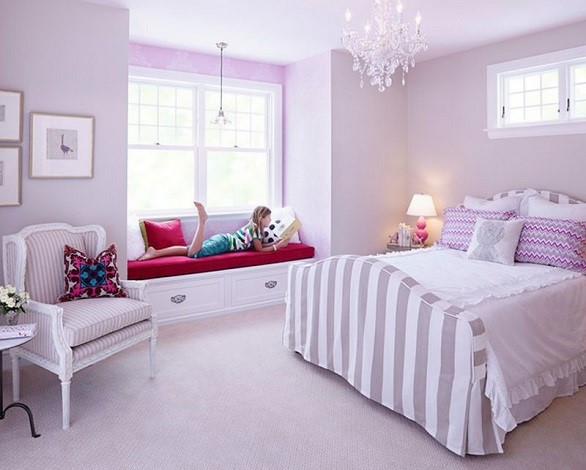
- الألوان الباردة: مثل الأزرق السماوي، الأخضر الفاتح، أو الأرجواني الناعم. تمنح شعورًا بالاسترخاء والصفاء.
- الألوان المحايدة: مثل الأبيض الكريمي أو الرمادي الباهت، لإضفاء إحساس بالهدوء.
- تجنب الألوان الصارخة: مثل الأحمر أو البرتقالي القوي، لأنها تزيد من النشاط وتؤثر سلبًا على النوم.
3. المطبخ: الألوان الحيوية والمنشطة
الوظيفة:
المطبخ هو مكان النشاط والطاقة، حيث يتم إعداد الطعام وقضاء وقت ممتع مع العائلة.
الألوان المناسبة:
- الألوان النشطة: مثل الأصفر الليموني، الأخضر الزاهي، أو البرتقالي الفاتح. تضيف حيوية وتفتح الشهية.
- الألوان المحايدة مع لمسات مشرقة: الأبيض أو الرمادي مع ديكورات ملونة مثل الخزائن أو بلاط الجدران.
- تجنب الألوان الداكنة جدًا: مثل الأسود أو البني الثقيل، لأنها قد تجعل المطبخ يبدو صغيرًا ومعتمًا.
4. غرفة الطعام: الألوان التي تعزز الشهية
الوظيفة:
غرفة الطعام يجب أن تكون مريحة ودافئة لتشجيع العائلة والضيوف على الاستمتاع بالوجبات.
الألوان المناسبة:
- الألوان الدافئة: مثل الأحمر الفاتح، البرتقالي، أو الأصفر، حيث تعزز الشهية والتواصل.
- الألوان المحايدة: البيج أو الأبيض الكريمي لإضافة إحساس بالنقاء والبساطة.
- لمسة من الفخامة: استخدم درجات داكنة مثل الأزرق الملكي أو الأخضر الزمردي لخلق جو أنيق.
5. غرفة الأطفال: الألوان المبهجة والمحفزة
الوظيفة:
غرفة الأطفال تحتاج إلى ألوان تجمع بين المرح والتحفيز مع مراعاة الراحة.
الألوان المناسبة:
- الألوان المبهجة: مثل الوردي، الأزرق الفاتح، الأخضر الزاهي، أو الأصفر الباهت.
- دمج الألوان: استخدم مزيجًا من الألوان لإنشاء أجواء حيوية.
- خيارات قابلة للتعديل: اختر ألوانًا يمكن تغييرها بسهولة مع نمو الأطفال وتغير احتياجاتهم.
6. الحمام: الألوان النظيفة والمنعشة
الوظيفة:
الحمام هو مساحة الراحة الشخصية، لذا تحتاج إلى ألوان تمنح إحساسًا بالنظافة والانتعاش.
الألوان المناسبة:
- الألوان الباردة: مثل الأزرق الفاتح، الأخضر النعناعي، أو الأبيض النقي.
- إضافة لمسات طبيعية: مثل استخدام البلاط بلون الحجر الطبيعي أو الخشب.
- تجنب الألوان الداكنة جدًا: لأنها تقلل من الإحساس بالمساحة.
7. غرفة المكتب المنزلي: الألوان التي تعزز الإنتاجية
الوظيفة:
غرفة المكتب المنزلي تحتاج إلى ألوان تعزز التركيز وتزيد من الإنتاجية.
الألوان المناسبة:
- الألوان الهادئة: مثل الرمادي الفاتح، الأزرق السماوي، أو الأخضر الفاتح. تساعد على تقليل التوتر.
- الألوان المحفزة: مثل الأصفر المعتدل أو البرتقالي الناعم لتحفيز الإبداع.
- تجنب الألوان المشتتة: مثل الأحمر أو الألوان المتعددة.
نصائح عامة لتنسيق الألوان:
- توازن الألوان: اختر لونًا أساسيًا وادمجه مع لون ثانوي ولون ثالث للتفاصيل.
- مراعاة الإضاءة: تأكد من تجربة الألوان في أوقات مختلفة من اليوم للتأكد من تناسبها مع الإضاءة الطبيعية والصناعية.
- الاتساق بين الغرف: حاول تنسيق الألوان بين الغرف لخلق تدفق بصري مريح داخل المنزل.
اختيار الألوان لكل غرفة يعتمد على وظيفة الغرفة والمزاج الذي تريد تحقيقه. الألوان الدافئة تناسب الغرف الاجتماعية، بينما الألوان الهادئة مثالية للراحة والاسترخاء. باستخدام هذا الدليل، يمكنك اختيار الألوان التي تعكس شخصيتك وتضفي جمالًا وتناغمًا على منزلك.